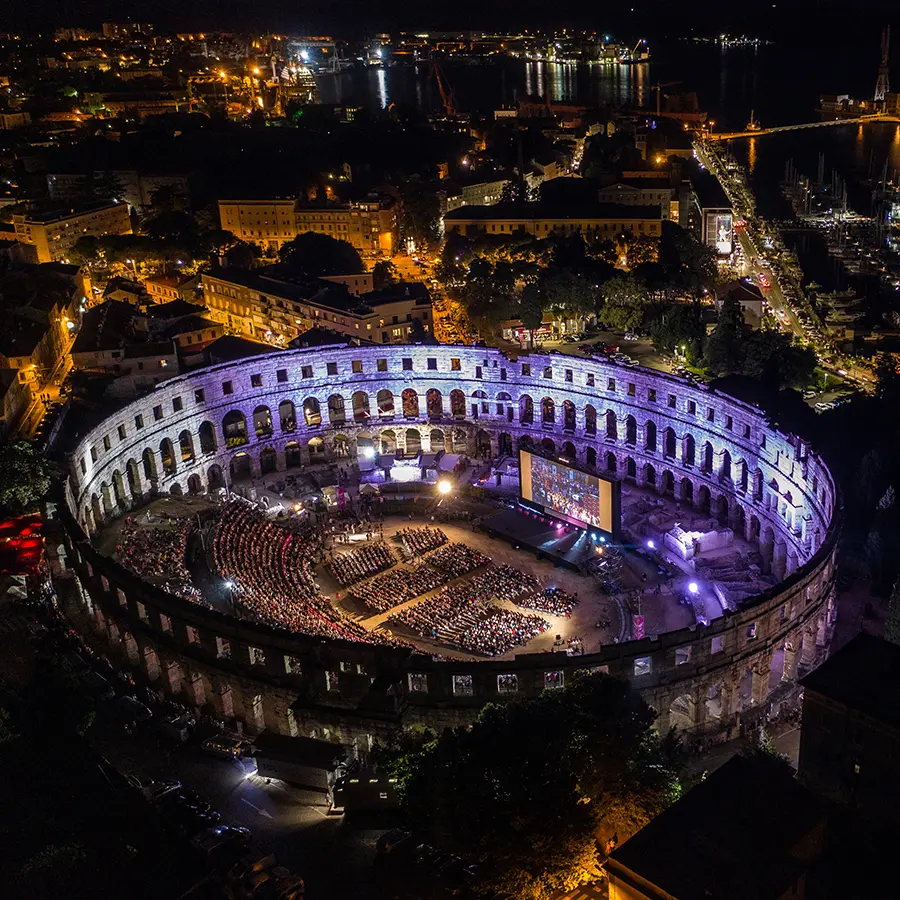

Croatia has become one of the most popular travel destinations in Europe. With its historic cities, beautiful islands, and clear Adriatic Sea, millions of travelers visit the country every year.
But many people planning a trip ask the same question: is Croatia expensive?
The answer is not completely simple. Croatia can sometimes feel expensive, especially in well-known tourist areas during the summer. At the same time, many travelers are surprised to discover that it is still possible to travel comfortably and enjoy great food, beautiful nature, and unforgettable experiences without spending as much as they expected.
Like many Mediterranean destinations, the cost of travel in Croatia depends largely on where you go, the time of year, and the type of experience you are looking for.
Accommodation in Croatia
Accommodation prices in Croatia vary widely depending on the location and the season. During the peak summer months, especially along the coast, prices can rise significantly because the tourist season is relatively short and demand is very high.
Luxury hotels, villas, and apartments in famous destinations such as Dubrovnik, Hvar, or Rovinj can be quite expensive during July and August. On the other hand, many travelers choose private apartments or smaller guesthouses, which are very common throughout the country and often offer good value.
Outside of the main tourist hotspots, accommodation prices can be surprisingly reasonable. Smaller towns, inland regions, and less visited islands often offer comfortable places to stay at much lower prices than the most famous destinations.
Food and drink prices in Croatia
Food and drink prices in Croatia can vary a lot depending on the location and the type of restaurant you choose.
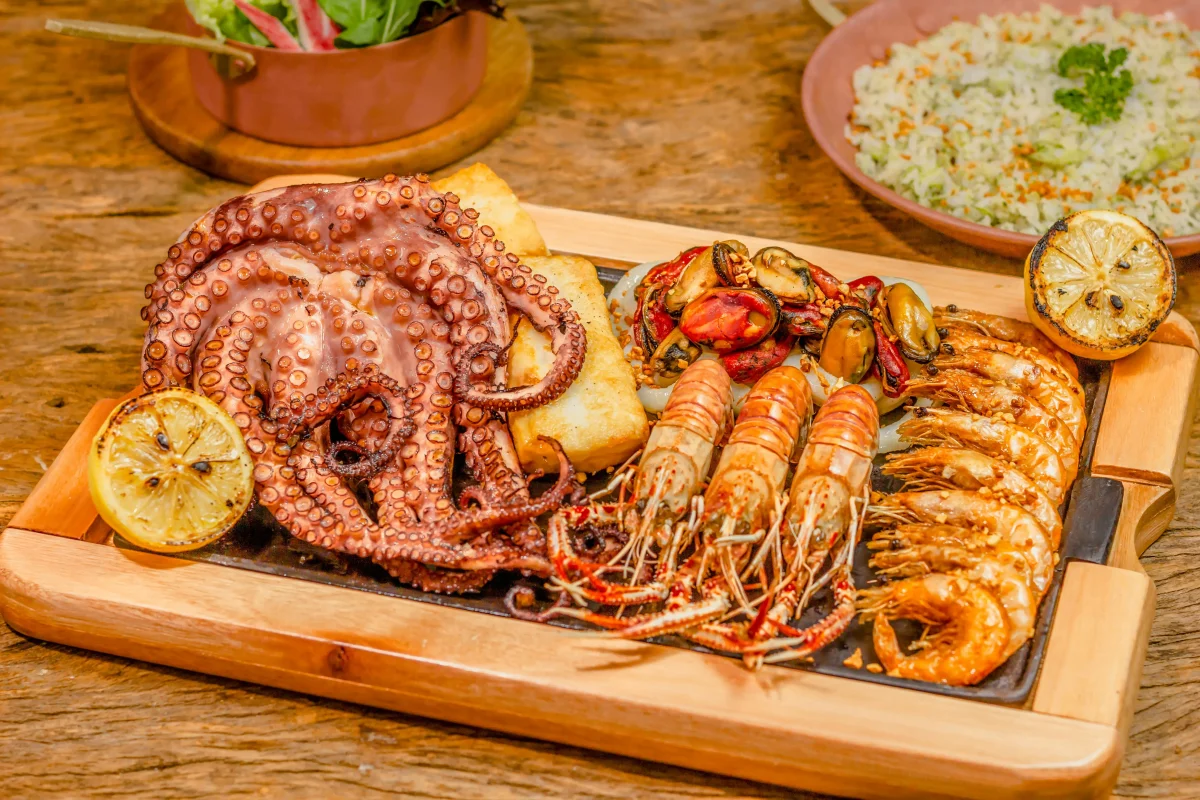
In popular tourist areas, especially along the coast during the peak summer months, it is not unusual to see very high prices in restaurants and bars located in prime locations such as historic city centers or waterfront promenades. These places often cater to short-term visitors and prices can sometimes feel higher than expected.
However, just a few streets away from the main tourist areas it is usually easy to find restaurants, cafés, bakeries, and small family-run konobas where locals eat and where prices remain reasonable. These places often offer simple but very good local dishes and a more relaxed atmosphere.
For example, in the city of Pula many locals visit places such as Snack Bar Cabahia, a casual pub known for its friendly atmosphere, good food, and fair prices. Another popular option is Pizzeria Tivoli, a large family-friendly restaurant with its own parking area and a playground for children. It is known for quick service, generous portions, and prices that remain accessible compared to many tourist restaurants in city centers.
Places like these exist throughout Croatia and are often the best way to enjoy local food without paying the highest tourist prices.
Why Croatia sometimes feels expensive
One of the main reasons Croatia can feel expensive is the strong seasonal nature of tourism. The busiest travel period is concentrated in only a few summer months, which means that businesses along the coast depend heavily on the peak season.
During July and August the number of visitors increases dramatically, especially in popular coastal destinations. This naturally pushes prices higher for accommodation, restaurants, and activities.
Location also plays an important role. Restaurants and cafés located directly on the waterfront, in historic old towns, or next to famous landmarks often have higher prices than places just a few streets away.
At the same time, many travelers notice that prices become much more reasonable outside of the busiest areas or outside the peak summer season.
Activities and experiences in Croatia
One of the main reasons travelers choose Croatia is the variety of experiences the country offers. From historic cities and national parks to islands and beautiful beaches, there are many ways to explore the country.
Some of the most popular activities include visiting national parks such as Plitvice Lakes or Krka, exploring historic towns like Dubrovnik or Split, and discovering the many islands scattered along the Adriatic coast.
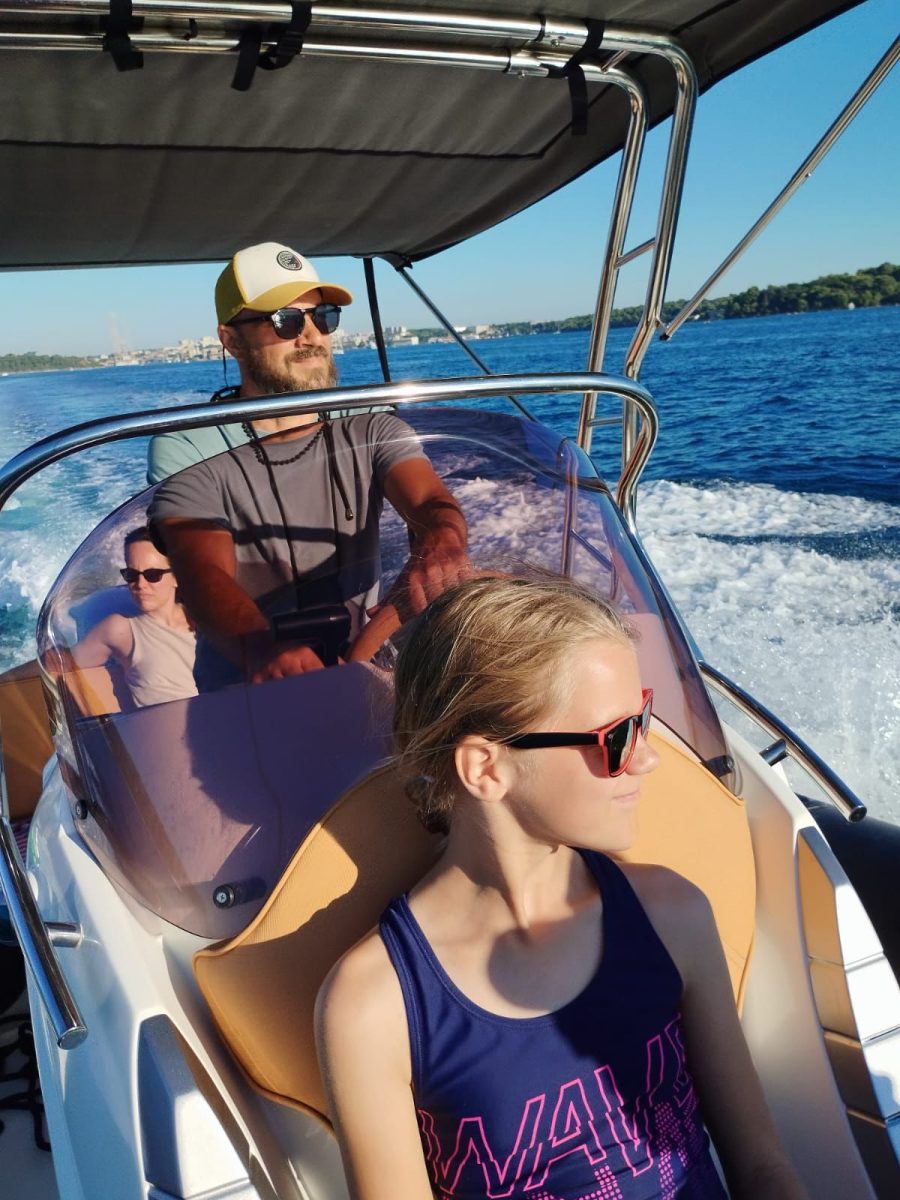
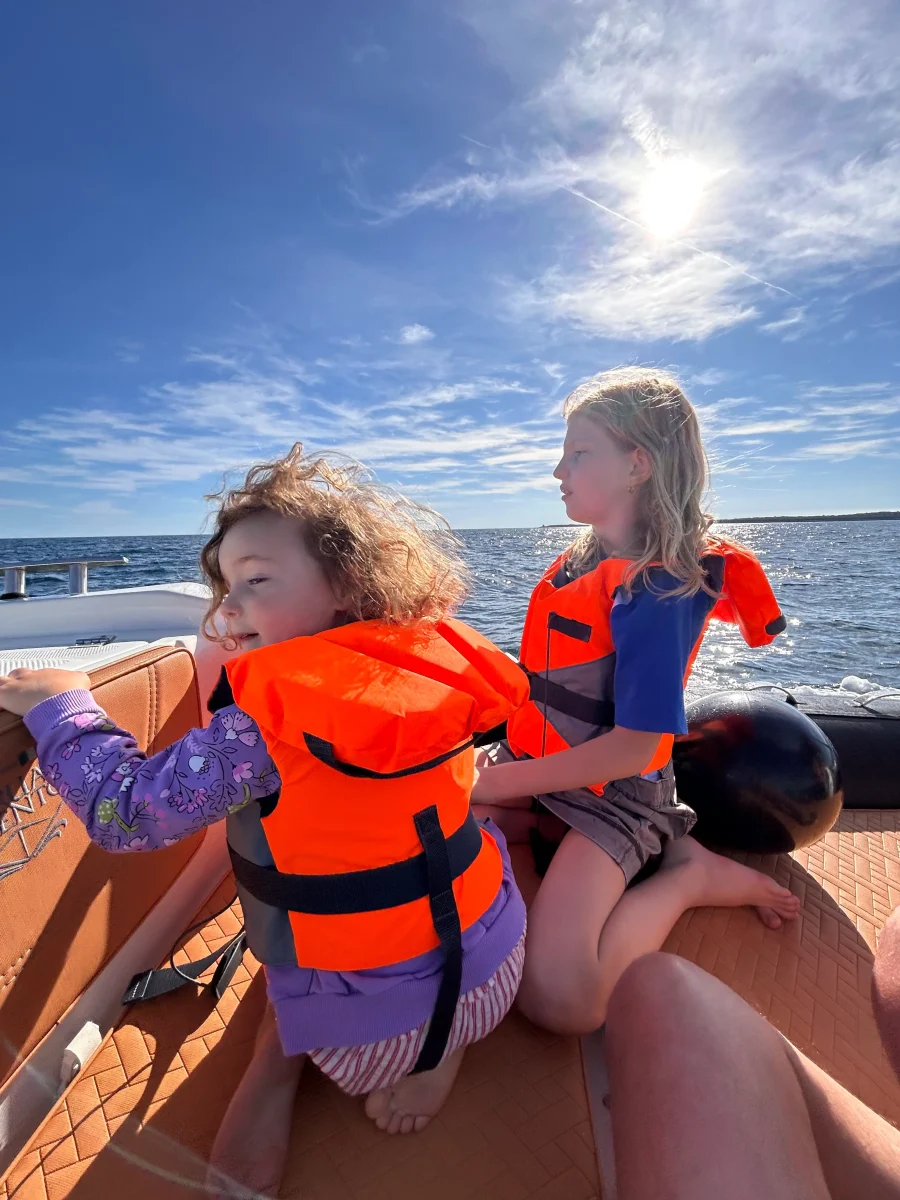
Boat trips are also very popular, especially in coastal regions. In places like Istria, around the city of Pula, many visitors choose to explore nearby islands and hidden bays by boat. Seeing the coastline from the sea often reveals a completely different side of Croatia that many travelers never experience from land.
Is Croatia more expensive than other Mediterranean countries?
Many travelers compare Croatia with other Mediterranean destinations such as Italy, Greece, or Spain when planning their holidays.
Compared with Italy, Croatia is often slightly more affordable, especially when it comes to everyday meals and accommodation outside the most famous tourist locations. Popular Italian destinations such as Venice or the Amalfi Coast are generally more expensive than most places along the Croatian coast.
When compared with Greece, the prices are quite similar. Both countries have areas that are very affordable as well as famous destinations where prices can rise significantly during the summer season.
Spain also offers a wide range of prices depending on the region. In some parts of Spain travel can be cheaper, while certain Croatian coastal towns during peak season may feel more expensive.
Overall, Croatia sits somewhere in the middle compared with other Mediterranean destinations. While some famous places can feel expensive during the high season, many parts of the country still offer very good value for travelers.
Conclusion
Croatia may not be the cheapest destination in Europe, but it offers a remarkable combination of beautiful nature, historic cities, clear sea, and unforgettable experiences.
For travelers who plan their trip carefully, explore beyond the busiest tourist spots, and discover local restaurants and smaller towns, Croatia can still be a surprisingly good value destination.
For many visitors, the quality of the experience — the coastline, the islands, the culture, and the atmosphere — easily justifies the cost of traveling in this unique Mediterranean country.
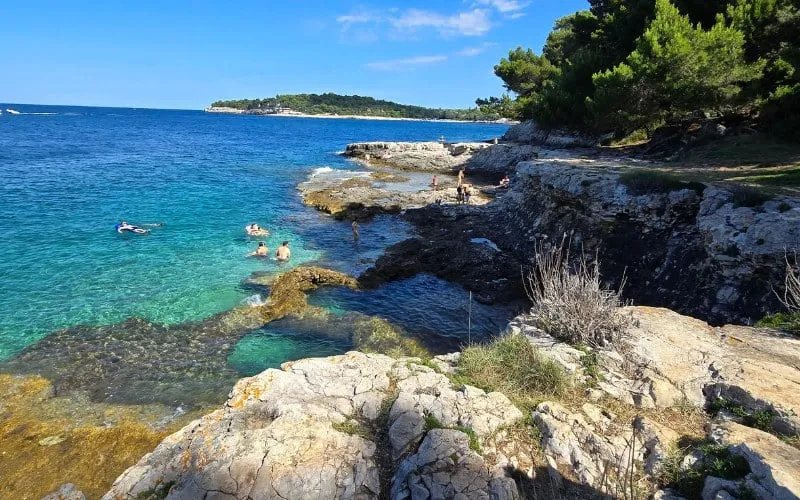
The coastline around Pula hides some beautiful places that many travelers never see from land.